Tebar HRM (Internal App)
Web Based App
Client
Internal App
Date
2024
Role
UI/UX
01 - BACKGROUND
An integrated Human Resource Management System to manage employee data, attendance, and HR operations efficiently.
HRM Tebar Digital is an internal human resource management application designed to support employee administration and workforce management within Tebar Digital. The system provides a structured and centralized platform to manage employee attendance, HR data, and operational processes efficiently.
The application supports core HR functions, including employee attendance tracking (presensi), employee data management, leave and permission management, and basic HR administration. By integrating these features into a single system, HRM Tebar Digital ensures accurate recording of employee activities and streamlined HR workflows.
Through the HRM dashboard, HR administrators can monitor attendance records, manage employee profiles, and oversee workforce data in real time. Employees are provided with individual access to perform daily attendance, submit leave requests, and view personal attendance history. This system improves operational efficiency, reduces manual administrative tasks, and enhances transparency and accountability in human resource management at Tebar Digital.
02 - THE BRIEF
Enhancing an internal HRM system by refining the admin and employee panels to improve attendance control, leave management, and HR operational oversight.
From this brief, I worked on adjusting and enhancing the design of the existing Human Resource Management (HRM) system by introducing several new features to improve attendance management, leave administration, and overall HR workflows.
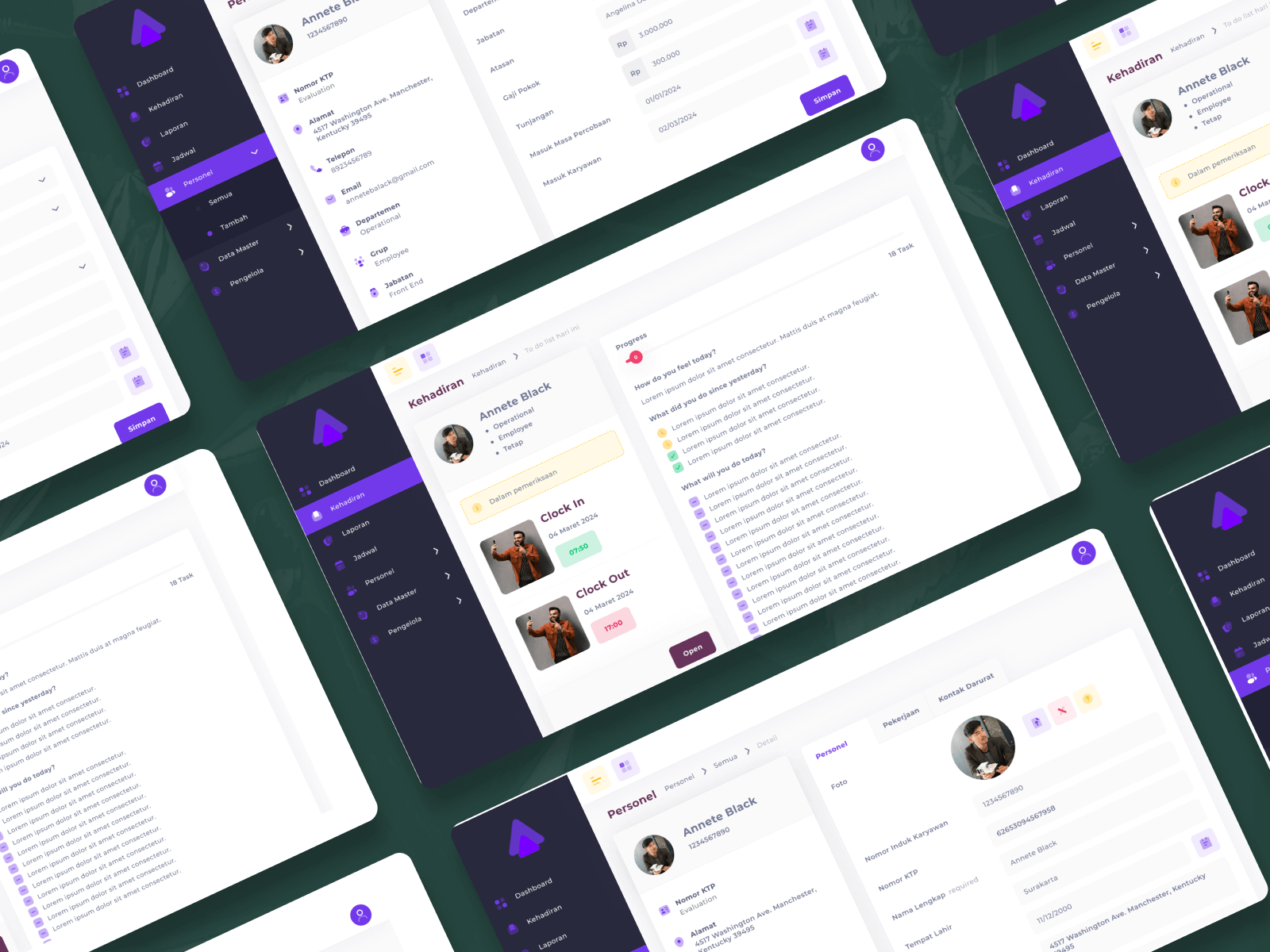
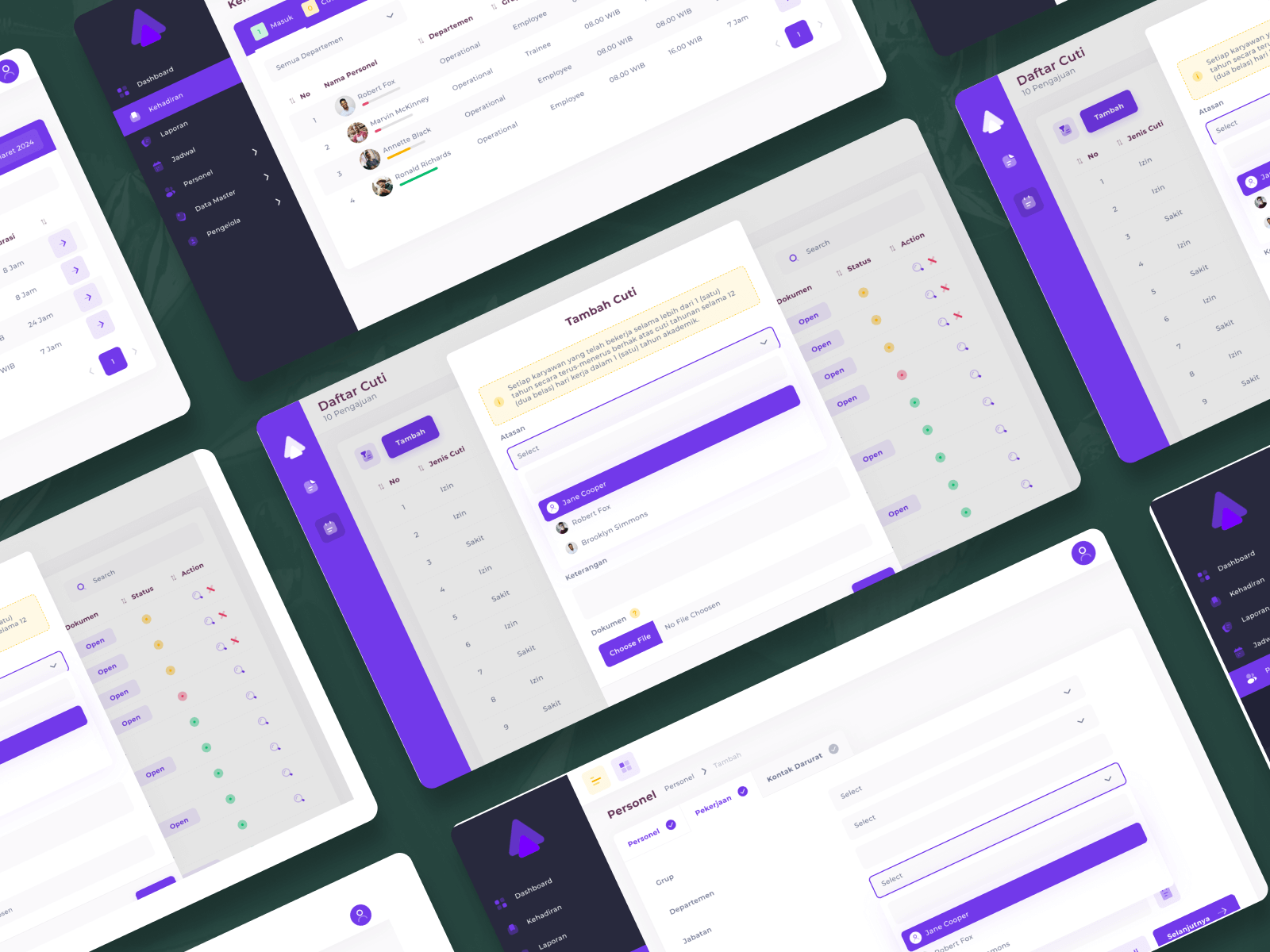
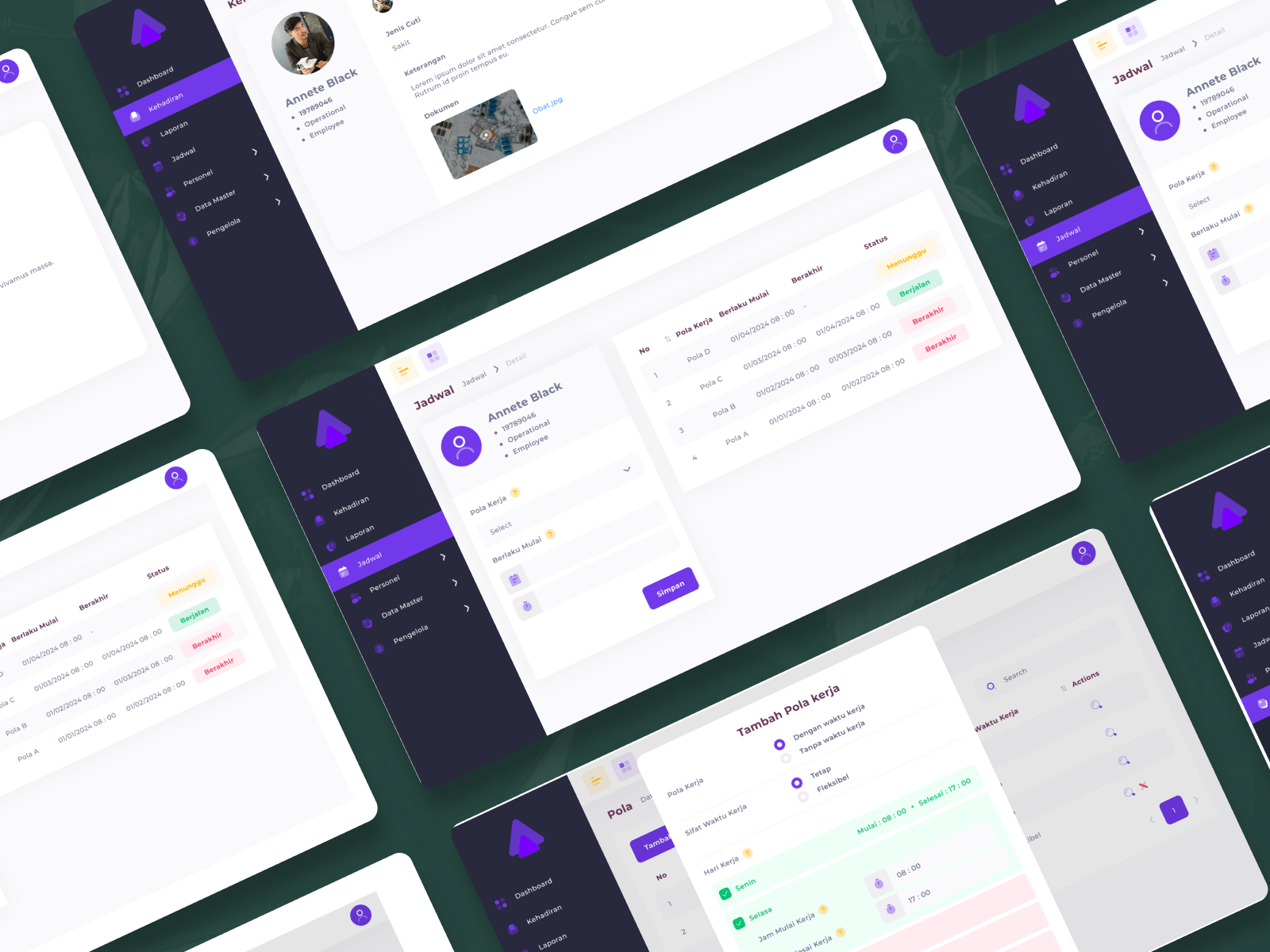
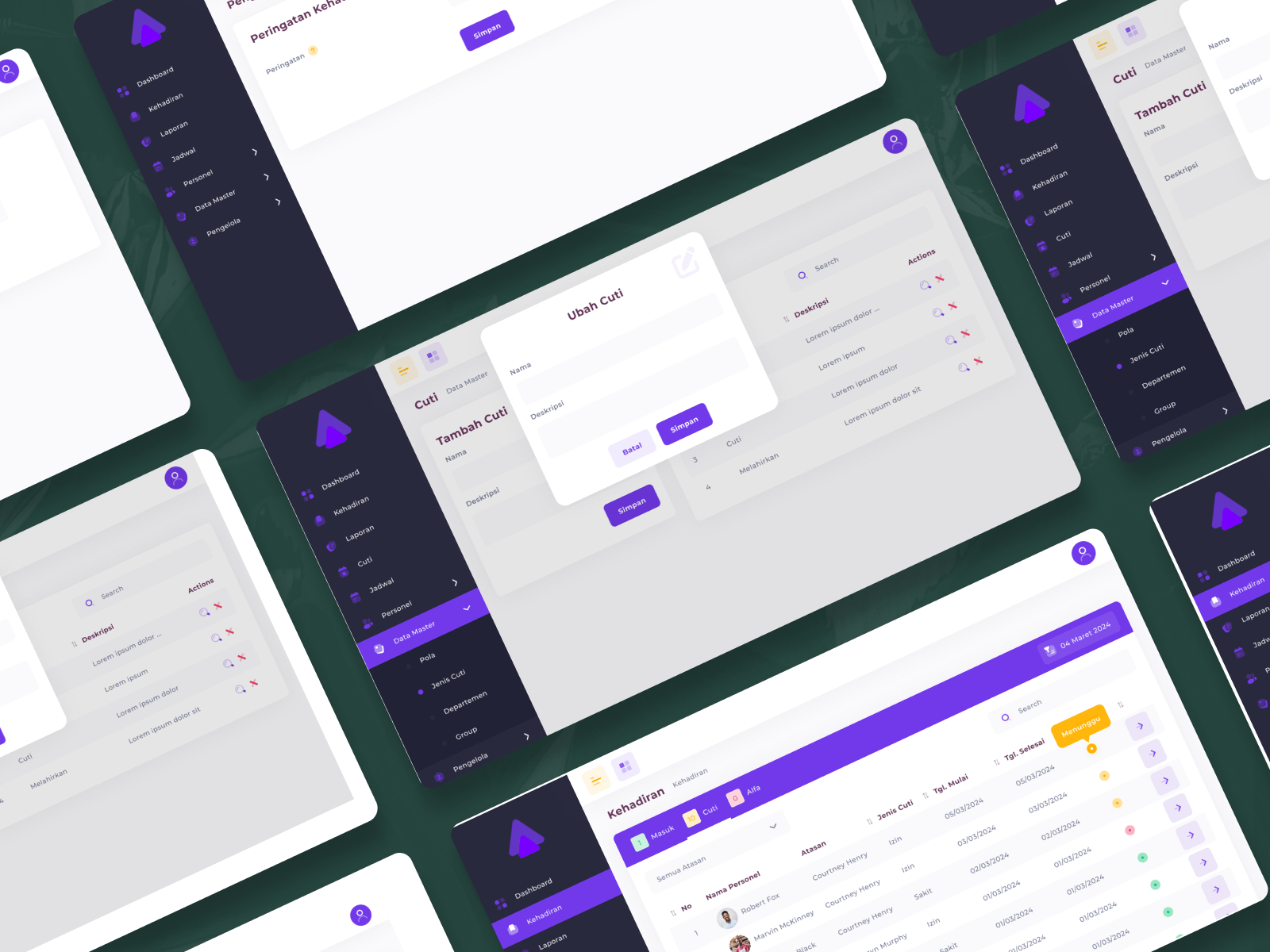
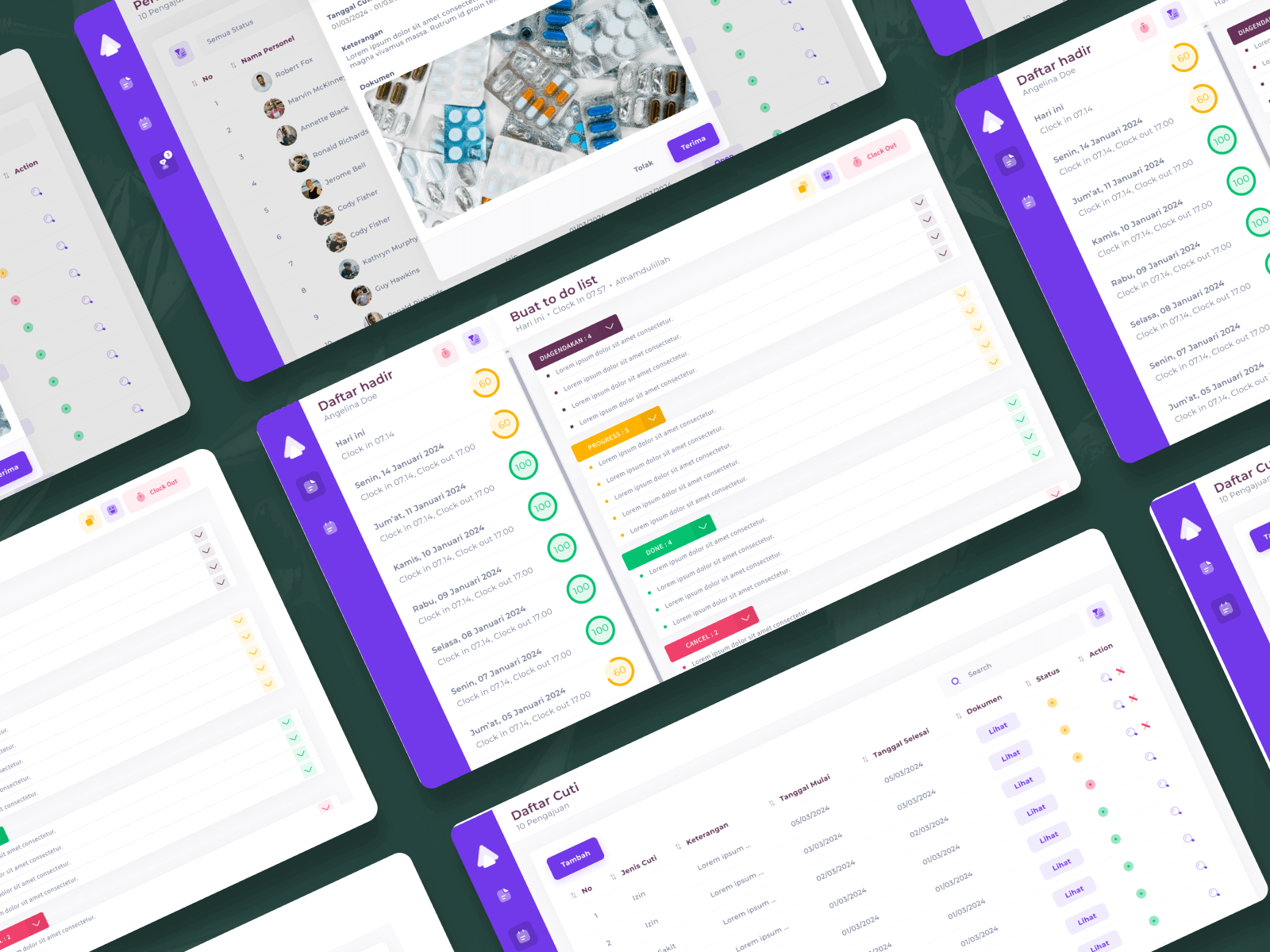
Key enhancements were implemented in the Admin Panel, including schedule and shift pattern management, personnel creation and detailed personnel profiles, attendance alert notifications, leave type management, leave warning configurations, and a comprehensive leave request list for better monitoring and control.
On the Employee Panel, new features were introduced such as an approval list for managerial decisions, clock in and clock out functionality, flexible break time management, leave illustrations for clearer leave balance visualization, and an employee leave list to track leave history and status.
These design adjustments and feature additions improved system usability, enhanced clarity in attendance and leave processes, reduced administrative overhead, and provided better visibility and control for both HR administrators and employees within the HRM ecosystem.
03 - The Process
001

Discovery & Research
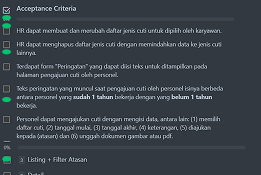
Based on the acceptance requirements provided by the business analyst, I conducted research to understand business goals, user needs, and system constraints. This research became the foundation for defining features, user flows, and design decisions to support the development of the application.
002

Design & Prototyping
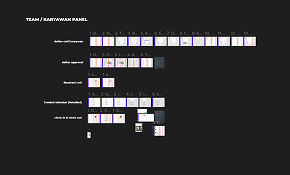
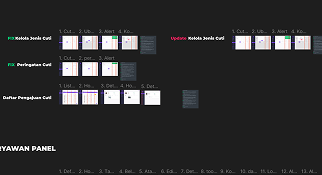
Based on research findings, user interfaces were designed to address user needs and business requirements. Interactive prototypes were created to visualize user flows, validate features, and test usability, ensuring the design was ready for development and aligned with project goals.
003

Development & Launch
After the initial development and launch, further improvements were made to address bugs, refine features, and enhance system stability based on testing and user feedback, ensuring the application met quality and performance standards.